

Composite Toe vs. Steel Toe Safety Shoes: Which Is Right for You?

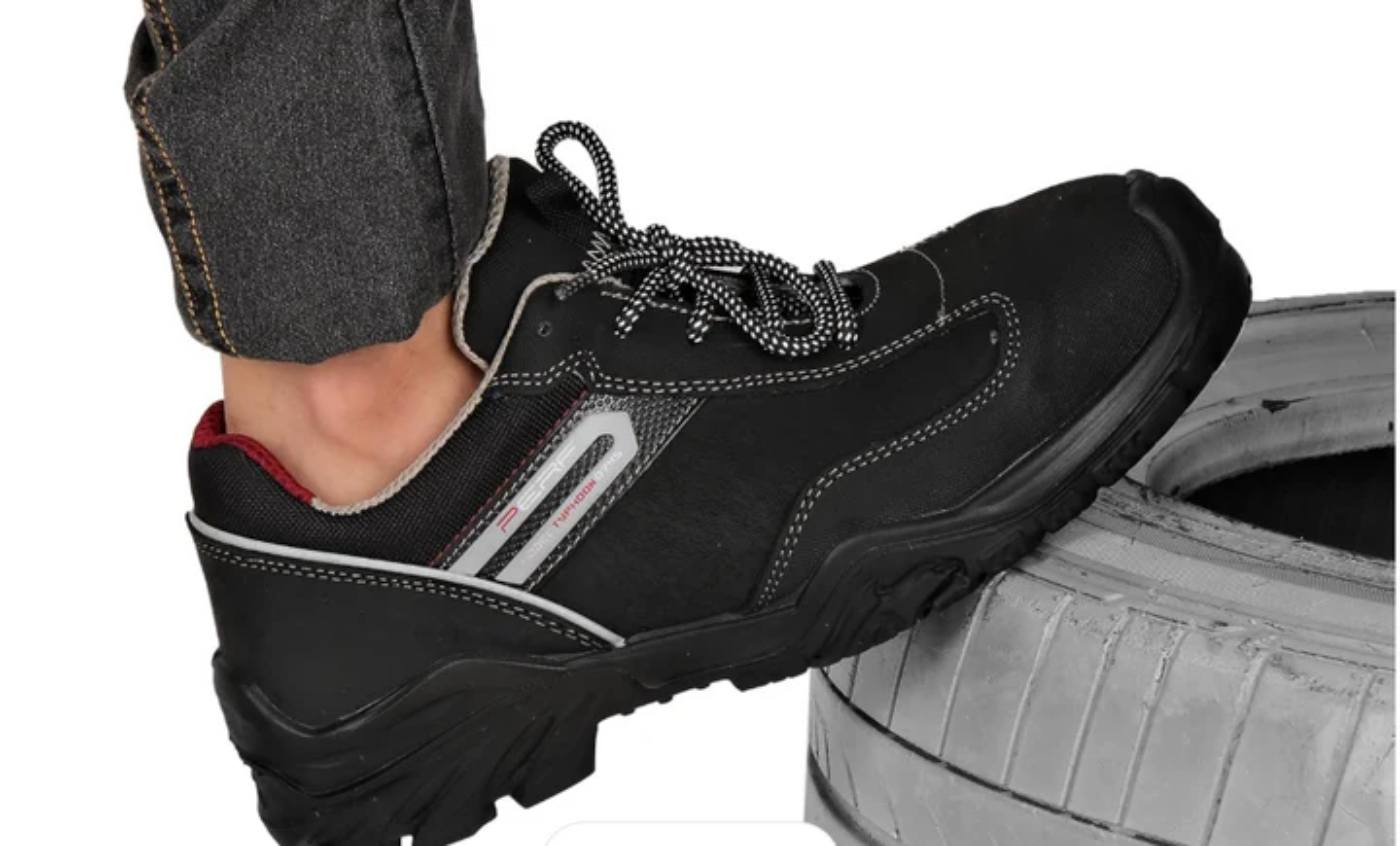
Choosing between steel toe and composite toe safety shoes isn’t just a matter of tradition—it’s about matching protection, performance, and personal needs. At Perfitalia.com, we offer both categories, helping you make an informed choice based on your workplace demands, comfort preferences, and durability requirements. Here’s a full breakdown comparing both materials—so you know exactly what’s best for your feet and your job.
1. Understanding the Basics
- Steel toe safety shoes feature a metal cap encasing the toes. Known for maximum impact resistance and long-standing use across industries.
- Composite toe safety shoes use non-metal materials—like carbon fiber, Kevlar, or fiberglass—offering lighter weight and no metal in X-ray screenings.
2. Impact Protection & Safety Zones
Steel Toe
- Offers robust resistance to heavy falling objects and compression
- Ideal for industries with high-impact potential (e.g. steel, construction)
Composite Toe
- Meets the same minimum safety thresholds as steel
- Provides consistent protection across most work scenarios
3. Weight & Comfortable Wear
- Steel-toe shoes are significantly heavier (300–500 g more per pair)
- Composite-toe shoes are lightweight, reducing foot fatigue—ideal for long shifts
If your role involves walking, climbing, or standing all day, composite toe footwear from Perfitalia is a smart pick.
4. Temperature Performance
- Steel toes can feel cold or hot in extreme weather
- Composite toes are temperature-neutral—great for outdoor and freezer work
For team members working in extreme climates, composite versions keep performance steady.
5. Metal Detection & Workplace Policies
- Steel caps activate metal detectors; composite styles do not
- Composite toe shoes are X-ray friendly and preferred in airports, security, and sensitive facilities
6. Budget: Price Comparison
- Steel toe shoes are often more affordable upfront
- Composite toe options are more expensive initially but provide long-term savings through comfort and lighter wear
7. Electrical Safety Features
- Steel toe with non-conductive soles offers static protection
- Some composite toe shoes are rated for electrical hazards, thanks to non-metal construction
8. Durability: Which Lasts Longer?
- Steel toe shoes may dent but maintain protective integrity
- Composite toes are more fragile under repetitive pressure
- Proper care and rotation as recommended by Perfitalia can extend the lifespan of either style
Inspect regularly and replace if toe integrity is compromised.
9. Fit, Sizing & Comfort
- Steel-toe caps can fit seamed inseams better
- Composite caps fit broader styles and are flexible in toe width
10. Applications by Industry
| Work Environment | Recommended Toe Style | Why It Matters |
| Heavy Manufacturing | Steel Toe | Maximum impact best protection |
| Warehouses & Logistics | Composite Toe | Light weight & long shifts |
| Airports & Security | Composite Toe (metal-free) | Passes through metal detection |
| Electrical Utility Lines | Composite Toe EH-rated | Insulates from shocks, non-metallic |
| Outdoor Construction | Composite Toe | Temperature-neutral & lightweight |
| General Construction | Steel Toe | Durable & affordable protective backup |
11. Care Tips: Extend Shoe Life
- Clean daily – remove dirt, mud, spills
- Store properly – let composite shoes fully dry
- Rotate pairs – avoid wearing same pair daily
- Inspect regularly – look for dents or compression
- Resolve minor damages – re-sole or re-lace as needed
- Replace every 12–18 months – or when protection degrades
12. Sustainable Footwear Choices
- Composite toe shoes reduce metal waste in recycling
- Steel toes benefit from being recyclable
- Perfitalia supports recycling programs and eco-friendly resole services
Your safety footwear investment can support sustainable practices.
13. Making a Smart Buying Decision
Ask yourself:
- Is maximum impact resistance essential?
- Are weight and long-term comfort top priorities?
- Do you need metal-detector-friendly footwear?
- Are you working with live electricity?
- What’s your budget and maintenance plan?
14. Customer Success Stories
Case 1: Construction Crew
- Switched 30 workers to composite safety shoes
- Noticed 20% decline in foot fatigue
- Wear-resistance was comparable after 9 months
Case 2: Airport Staff
- Composite toe, metal-free shoes streamlined security checks
- Reduced delays and replaced fewer pairs due to abrasion resistance
These examples showcase how choosing the right footwear benefits performance and comfort.
15. Final Takeaway: Safety That Makes Sense
Whether you choose steel toe or composite toe safety shoes, the goal is clear: adequate protection with real-world comfort. Perfitalia ensures both options are certified, high-quality, and clearly guide you to the best fit for your environment. Choose protection you can walk confidently in—without sacrifice.